


Mellon Praises Trump's UAP Disclosure Directive but Warns of Risks in Executive-Only Process
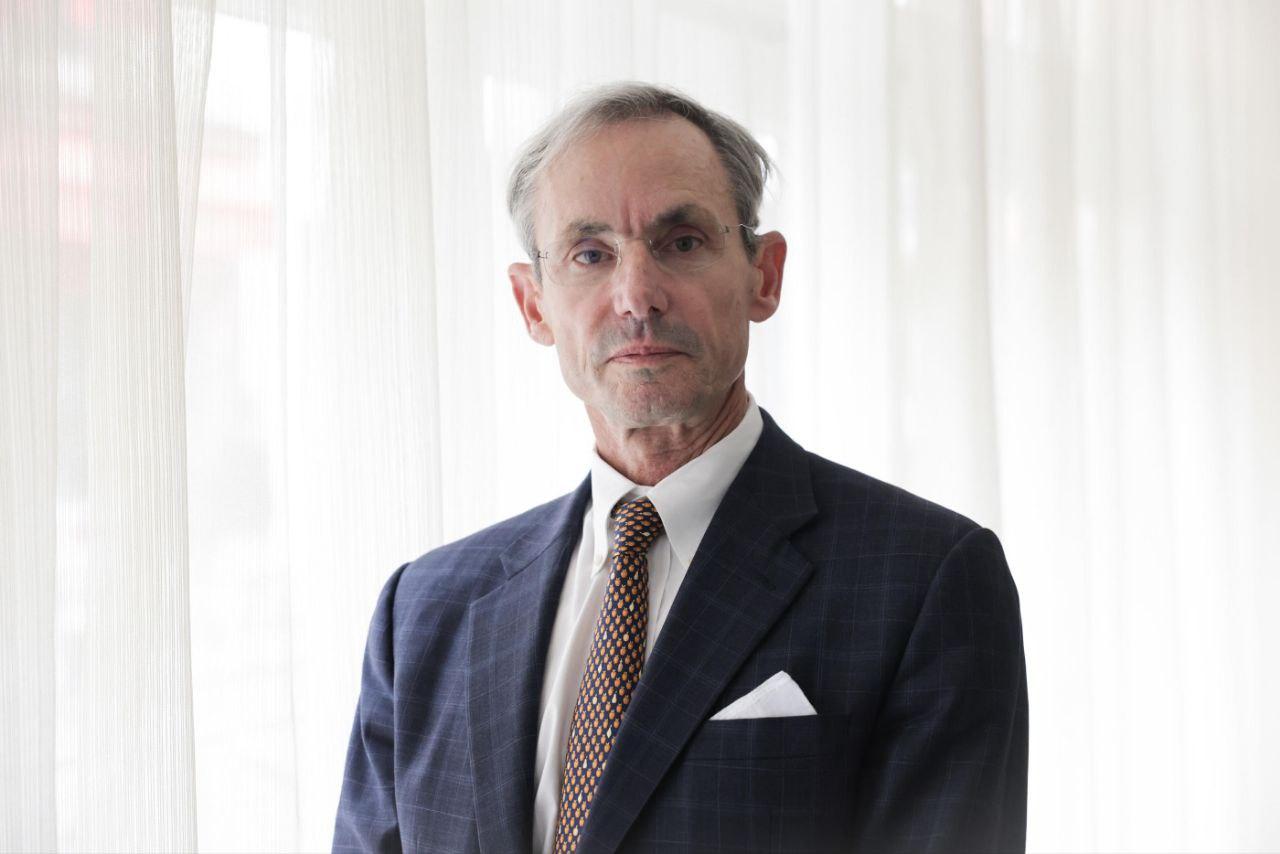
Former Deputy Assistant Secretary of Defense for Intelligence Christopher K. Mellon described President Donald Trump's recent directive to identify and release government files on unidentified anomalous phenomena (UAP) and potential extraterrestrial life as an "enormously positive development." In his public statement, Mellon commended the Trump Administration for taking this step toward transparency on a topic of tremendous public interest, following comments from former President Barack Obama affirming belief in aliens.
Mellon, a longtime advocate for UAP openness and current chair of the Disclosure Foundation board, stressed that virtually all relevant documents remain classified. He noted that identifying and declassifying them will involve a lengthy, complex process riddled with classification nuances and potential internal resistance. While praising the intent, he cautioned that an effort confined to the executive branch could become snarled in turf fights, leading to misleading, partial, or incomplete releases—issues seen in recent unrelated disclosure attempts.
To avoid such pitfalls and ensure meaningful progress, Mellon urged Congress to enact a strong legislative framework. This would structure, authorize, and direct a comprehensive disclosure process, both encouraging the administration and providing concrete tools to help it succeed fully. He highlighted the need for oversight to restore eroded public trust, especially given past shortfalls by entities like the All-domain Anomaly Resolution Office (AARO) in meeting reporting mandates.
Pro-disclosure voices, including congressional supporters and independent experts, view Mellon's balanced assessment as realistic. Mainstream outlets report optimism tempered by skepticism over bureaucratic hurdles, while non-MSM sources emphasize the directive's potential to reveal advanced technologies or non-human intelligence (NHI) encounters documented in military cases. If implemented with congressional backing, this could mark a pivotal shift toward greater openness on phenomena that challenge conventional science and understanding of our world.
Former Deputy Assistant Secretary of Defense for Intelligence Christopher K. Mellon described President Donald Trump's recent directive to identify and release government files on unidentified anomalous phenomena (UAP) and potential extraterrestrial life as an "enormously positive development." In his public statement, Mellon commended the Trump Administration for taking this step toward transparency on a topic of tremendous public interest, following comments from former President Barack Obama affirming belief in aliens.
Mellon, a longtime advocate for UAP openness and current chair of the Disclosure Foundation board, stressed that virtually all relevant documents remain classified. He noted that identifying and declassifying them will involve a lengthy, complex process riddled with classification nuances and potential internal resistance. While praising the intent, he cautioned that an effort confined to the executive branch could become snarled in turf fights, leading to misleading, partial, or incomplete releases—issues seen in recent unrelated disclosure attempts.
To avoid such pitfalls and ensure meaningful progress, Mellon urged Congress to enact a strong legislative framework. This would structure, authorize, and direct a comprehensive disclosure process, both encouraging the administration and providing concrete tools to help it succeed fully. He highlighted the need for oversight to restore eroded public trust, especially given past shortfalls by entities like the All-domain Anomaly Resolution Office (AARO) in meeting reporting mandates.
Pro-disclosure voices, including congressional supporters and independent experts, view Mellon's balanced assessment as realistic. Mainstream outlets report optimism tempered by skepticism over bureaucratic hurdles, while non-MSM sources emphasize the directive's potential to reveal advanced technologies or non-human intelligence (NHI) encounters documented in military cases. If implemented with congressional backing, this could mark a pivotal shift toward greater openness on phenomena that challenge conventional science and understanding of our world.
Mellon Praises Trump's UAP Disclosure Directive but Warns of Risks in Executive-Only Process
Former Deputy Assistant Secretary of Defense for Intelligence Christopher K. Mellon described President Donald Trump's recent directive to identify and release government files on unidentified anomalous phenomena (UAP) and potential extraterrestrial life as an "enormously positive development." In his public statement, Mellon commended the Trump Administration for taking this step toward transparency on a topic of tremendous public interest, following comments from former President Barack Obama affirming belief in aliens.
Mellon, a longtime advocate for UAP openness and current chair of the Disclosure Foundation board, stressed that virtually all relevant documents remain classified. He noted that identifying and declassifying them will involve a lengthy, complex process riddled with classification nuances and potential internal resistance. While praising the intent, he cautioned that an effort confined to the executive branch could become snarled in turf fights, leading to misleading, partial, or incomplete releases—issues seen in recent unrelated disclosure attempts.
To avoid such pitfalls and ensure meaningful progress, Mellon urged Congress to enact a strong legislative framework. This would structure, authorize, and direct a comprehensive disclosure process, both encouraging the administration and providing concrete tools to help it succeed fully. He highlighted the need for oversight to restore eroded public trust, especially given past shortfalls by entities like the All-domain Anomaly Resolution Office (AARO) in meeting reporting mandates.
Pro-disclosure voices, including congressional supporters and independent experts, view Mellon's balanced assessment as realistic. Mainstream outlets report optimism tempered by skepticism over bureaucratic hurdles, while non-MSM sources emphasize the directive's potential to reveal advanced technologies or non-human intelligence (NHI) encounters documented in military cases. If implemented with congressional backing, this could mark a pivotal shift toward greater openness on phenomena that challenge conventional science and understanding of our world.
0 Commentarios
0 Acciones
339 Views
0 Vista previa

 English
 Arabic
 French
 Portuguese
 Deutsch
 Turkish
 Dutch
Dutch
 Italiano
 Russian
 Romaian
 Portuguese (Brazil)
 Greek
Greek
 Polski